
By Rahul Samantha Hettiarachchi
Diplomatic relations are not merely confined to bilateral documents signed between heads of state or diplomatic discussions held in capital cities. Instead, they form a living, practical bridge where the technology, knowledge, and experience of one country are blended to uplift the living standards of ordinary citizens in another. Sri Lanka and India share an unbroken historical, cultural, and economic friendship spanning centuries. The modern, active symbol of this timeless friendship is the training scholarship community of the “Indian Technical and Economic Cooperation Programme” or “ITEC”, implemented by the Government of India.
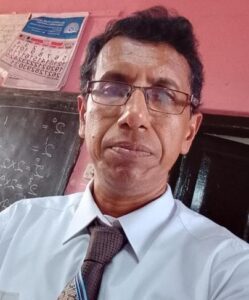
In a modern era where foreign trainees return to the country only to lock away their valuable knowledge inside the drawers and files of government institutions, we encounter an exceptional government official from the Elpitiya area in Southern Sri Lanka who transformed the international training he received from India into a genuine environmental and community mission at the rural level. He is Mr. N. Susantha Chandrika, a Development Officer at the Elpitiya Pradeshiya Sabha. Bringing the wealth of global knowledge gathered from the cities of Mumbai and Delhi to the villages of Elpitiya, the trajectory of his experiences—which sparked a new revolution in waste management and environmental conservation—provides an invaluable example for the entire public service.
Sustainable Professional Intervention in the Waste Crisis of the Elpitiya Area
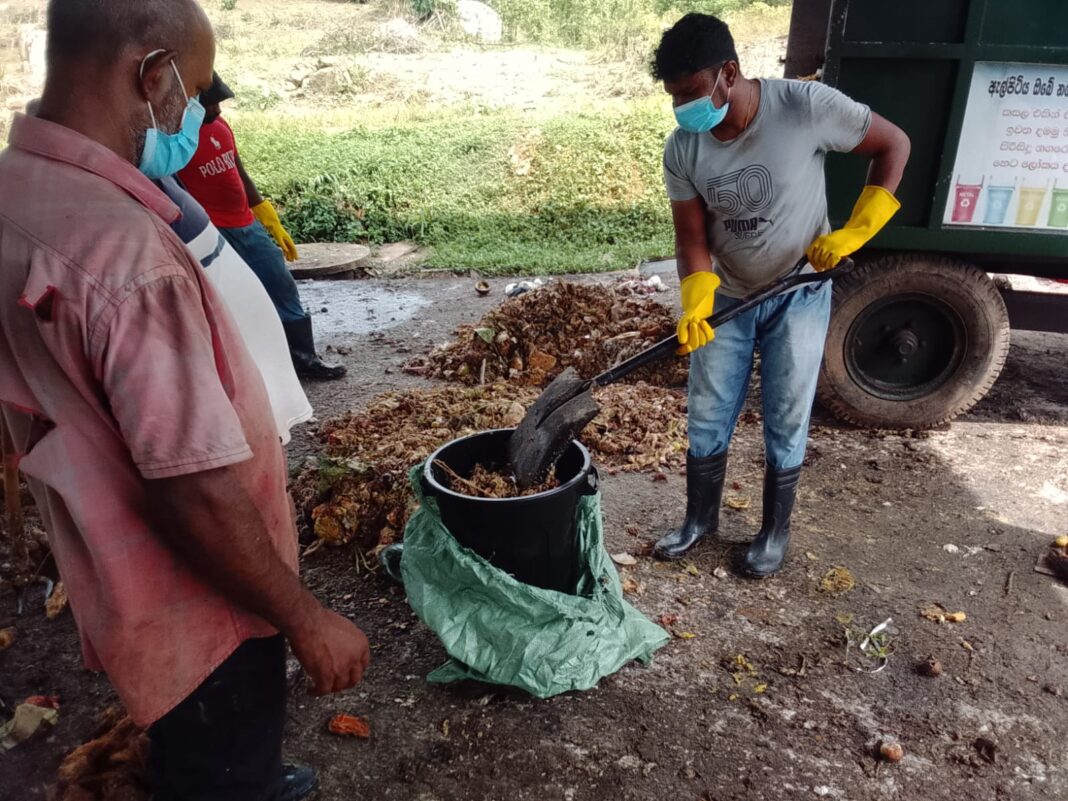
Serving as a Development Officer at the Elpitiya Pradeshiya Sabha, Mr. N. Susantha Chandrika’s primary role is to properly manage the emerging waste crisis in the area. Waste exists in two forms—biodegradable and non-biodegradable—and it was his responsibility to minimize its accumulation through scientific methods and direct it toward recycling. Having worked at the local government level with biodegradable waste and organic fertilizer during the early part of his professional life, Mr. Susantha realized the massive destruction caused by releasing non-biodegradable waste into the environment.
In particular, the issue of improperly discarded non-biodegradable waste severely contributes to the spread of the dengue epidemic, which has become a major health threat across the country today. Rainwater collecting in empty tins, plastic bottles, and polythene containers creates the ideal breeding ground for mosquitoes. To rescue society from this menace, Mr. Susantha launched a series of special programs. Under this initiative, he took steps to actively educate society on how to minimize releasing non-biodegradable waste into the environment and how to systematically recycle it by engaging schools, government institutions, private entities, as well as non-governmental organizations.
The Indian ITEC Scholarship that Guided Waste Management
In a country like Sri Lanka, where waste management is a burning national issue, it is difficult to find successful solutions to such problems using only the conventional knowledge possessed by a government official. It was here that the ITEC training program, a benevolent initiative of the Government of India, succeeded in opening Mr. Susantha Chandrika’s eyes. In 2019, he received the opportunity to participate in a certificate course on Fertilizer Quality Control held in Mumbai, India, for the first time. During the three-week training, he was able to directly study India’s modern technological practices through high-quality practical training as well as numerous field visits.

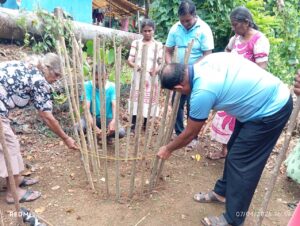
“When I returned to Sri Lanka from India after completing the training in Mumbai in 2019, I came back with the intention of utilizing what I learned to introduce an organic fertilizer and waste management program for small groups and start a field project. As soon as I arrived in Sri Lanka, I started such a project in the Elpitiya area. I informed my senior officials about this, and with their support, I was able to carry it out very successfully.”
Driven by Mr. Susantha’s dedication and enthusiasm, he was granted the opportunity to participate in another specialized course on management under the ITEC program for a second time in 2024, held in Delhi, India. The advanced leadership and management knowledge gained from that training greatly helped him further enhance the success of the waste management program he was implementing within the Elpitiya Pradeshiya Sabha. Meeting government officials from several other countries in Delhi and being able to exchange innovative ideas and waste management strategies used in their respective countries broadened his professional vision.
The ‘Bio-Box’ Method and ‘Waste Marketing’
The project implemented in the Elpitiya area utilizing the knowledge brought from India was not merely confined to office rooms. Mr. Susantha initially launched a massive public awareness campaign using various mass media, leaflets, and promotional methods. He worked hard to create an attitudinal change among the public by actively educating community organizations, such as village-level volunteer societies and elders’ societies. His primary objective was to minimize the amount of waste flowing into the waste yard of the Pradeshiya Sabha to the greatest extent possible.

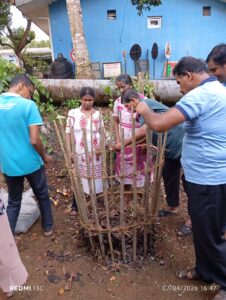
For this purpose, he took steps to introduce the ‘Bio-Box (Jeeva Kotu) Method,’ targeting homeowners with limited space at the household level. Mr. Susantha personally visited the homes of villagers, encouraging the public by demonstrating how to practically implement this system. Based on the experiences and ideas gained from officials of various countries during the ITEC training in India, this method achieved highly successful results within a very short period.
To make waste management even more successful, he started a ‘Waste Marketing’ project (purchasing waste) in several villages. The areas of Kahaduwa North, Kahaduwa South, Weragulla, and Pinigahana in Elpitiya were selected for this purpose. By systematically purchasing non-biodegradable waste discarded by households, he was able to completely eliminate about 96 percent (96%) of the waste that existed in those villages. Consequently, the common social problem of people dumping waste by the roadsides and into forests was entirely wiped out.


Mr. Susantha also stated that he received immense support and patronage from the Consulate General of India in Hambantota in successfully implementing this massive practical operation within the Southern Province. This seamless coordination between a local government official and a foreign diplomatic office is an occasion where the Sri Lanka-India friendship transcended state-level bureaucracy and left a tangible mark on the ground.
The National Responsibility Not to Turn Foreign Training Scholarships into ‘Excursions’
This success story emerging from Elpitiya is a guiding compass for officers across the entire Sri Lankan public service. Today, when many government officials receive foreign training programs or scholarships, there is a visible tendency to view them merely as an ‘excursion’ to travel and enjoy a foreign country, rather than an opportunity to develop their professional skills. There is no service rendered to the country by officials who travel abroad based on political or personal connections for training courses that bear no relevance to the fields they represent.

Whether one is a government official or a professional in any other field, one must embark on such foreign training with a clear purpose and vision. They must ensure they choose only training programs that align with their current professional duties and inherent capabilities. Mr. Susantha Chandrika emphasizes that if these valuable training programs are utilized merely to enjoy the thrill of a foreign trip, it yields absolutely no benefit to the Government of India, which spends vast amounts of wealth and resources on them, nor to the tax-paying public of Sri Lanka, who expect a service from that official.
The Government of India’s ITEC training program is an invaluable gift received to polish the skills of Sri Lankan professionals. The knowledge brought by Mr. N. Susantha Chandrika, Development Officer of the Elpitiya Pradeshiya Sabha, from the cities of Mumbai and Delhi, has already transformed the villages of Kahaduwa, Weragulla, and Pinigahana into clean, healthy, and beautiful environments today.