
As we mark the beginning of the 16 Days of Activism Against Gender-Based Violence today (Nov. 25), I find myself reflecting on a simple, yet heartbreaking question: What does a woman or girl truly endure when she takes the courageous step to seek justice after facing gender-based violence (GBV)? What does safety and freedom really feel like when the very spaces meant to protect her fail to do so?
For far too many women, the ordeal begins right in their own home, the very place where they ought to feel safest, becomes a place of fear and violence. Meanwhile, the family and community they call their own and relied on for protection prevents and sanctions them for seeking justice. When violence strikes at home, they confront overwhelming familial and social pressures, coercion from family and community members to stay silent and settle matters privately, and they are overwhelmed with anxiety about the wellbeing of their children, their career, and their family reputation.
Yet when they find the courage to step out of their homes and report the violence, a new wave of challenges awaits. From their homes to the police station, hospital, and the courtroom, they encounter systemic barriers, from dismissive attitudes, pressures to reconcile, language barriers, lack of privacy and female officials, invasive and insensitive examinations, and limited awareness of laws and rights amongst survivors. This is compounded by the severe financial and mental strain resulting from prolonged and endless legal procedure and repeated recounting and reliving of trauma. The overwhelming burden of seeking justice falls almost entirely on the survivor herself.
Sri Lanka’s 2019 National Women’s Wellbeing Survey reveals the true gravity of these challenges. One in five ever-partnered women (20.4%) has experienced physical and/or sexual violence by an intimate partner in her lifetime, while two in five (39.8%) have endured physical, sexual, emotional, or economic violence, or controlling behaviors. Most heartbreaking of all, nearly half (49.3%) of women who survived sexual violence by a partner never sought formal help.
Behind these numbers are a mother, daughter or sister, who feared being blamed, judged, or disbelieved. They are women who worry about their children’s future, financial survival, community backlash, and those who endured the abuse because it had been normalized for generations.
What must we do to dismantle these barriers and make seeking justice a seamless, empowering path for every survivor?
Despite persistent challenges, Sri Lanka has made important strides toward advancing the rights and empowerment of women. The National Policy on Gender Equality and Women’s Empowerment (2023-2033) and the Women Empowerment Act, No. 37 of 2024, mark significant milestones in this journey. They demonstrate the Government’s resolve to move beyond declarations toward robust institutional protections and gender equality. The enactment of the Women Empowerment Act provides a vital foundation for accountability, notably through the establishment of the National Commission on Women.
However, legislation and policy only result in meaningful progress and benefit the society if they are effectively enforced or implemented. Sri Lanka already possesses a critical legal framework, including the Prevention of Domestic Violence Act, the Victims and Witnesses Protection Act, police support units, and specialized survivor services. Our immediate task is ensuring these mechanisms operate seamlessly together, receive adequate resources, and remain accessible to every woman, creating safer spaces everywhere.
We must also identify and acknowledge remaining legal and practical gaps, ensuring robust protection extends to all forms of abuse, especially technology-facilitated gender-based violence (TFGBV), which increasingly targets women and girls online. Equally vital is prevention. Violence begins long before a physical act: entrenched harmful social norms perpetuate and normalize abuse, taking root in everyday attitudes that excuse digital harassment, coercion, and unequal power dynamics.
Ending violence requires connecting government commitments to a powerful public narrative. Sri Lanka possesses deeply ingrained cultural values of respect, protection, care and dignity for women. We must draw on these values to nurture children who understand consent, build communities that firmly reject violence, and engage men and boys as active partners in positive change. No woman should ever have to alter how she dresses, travels, works, or lives simply to stay safe and free from violence.
This year’s national theme, #JusticeIsMyRight: UNiTE Towards Ending GBV, is both a solemn promise and an urgent call to action. Government institutions, civil society, and local communities must immediately channel Sri Lanka’s capacity for progress into decisive, tangible action. Our solidarity cannot expire on December 10, it must be actively proven every day in every police station, hospital, courtroom, digital platform, and neighborhood.
UNFPA has supported the Government of Sri Lanka in these efforts, providing technical and financial assistance for the National Gender Equality and Women’s Empowerment Policy and technical support toward the Women Empowerment Act and its strategic action plan. We remain dedicated to accompanying national partners in translating these legislative milestones into lasting, progressive change.
Sri Lanka has made commendable progress. We must recognize these achievements, build upon them, and find the collective courage to address what remains unfinished. Success will be defined when fewer women experience violence, when survivors seek help without fear, and when every woman and girl lives with uncompromised dignity and freedom.
Justice must never be something a woman has to fight endlessly to achieve; it must be a right she can confidently expect. That is the promise of #JusticeIsMyRight, and together, we must fulfill it.
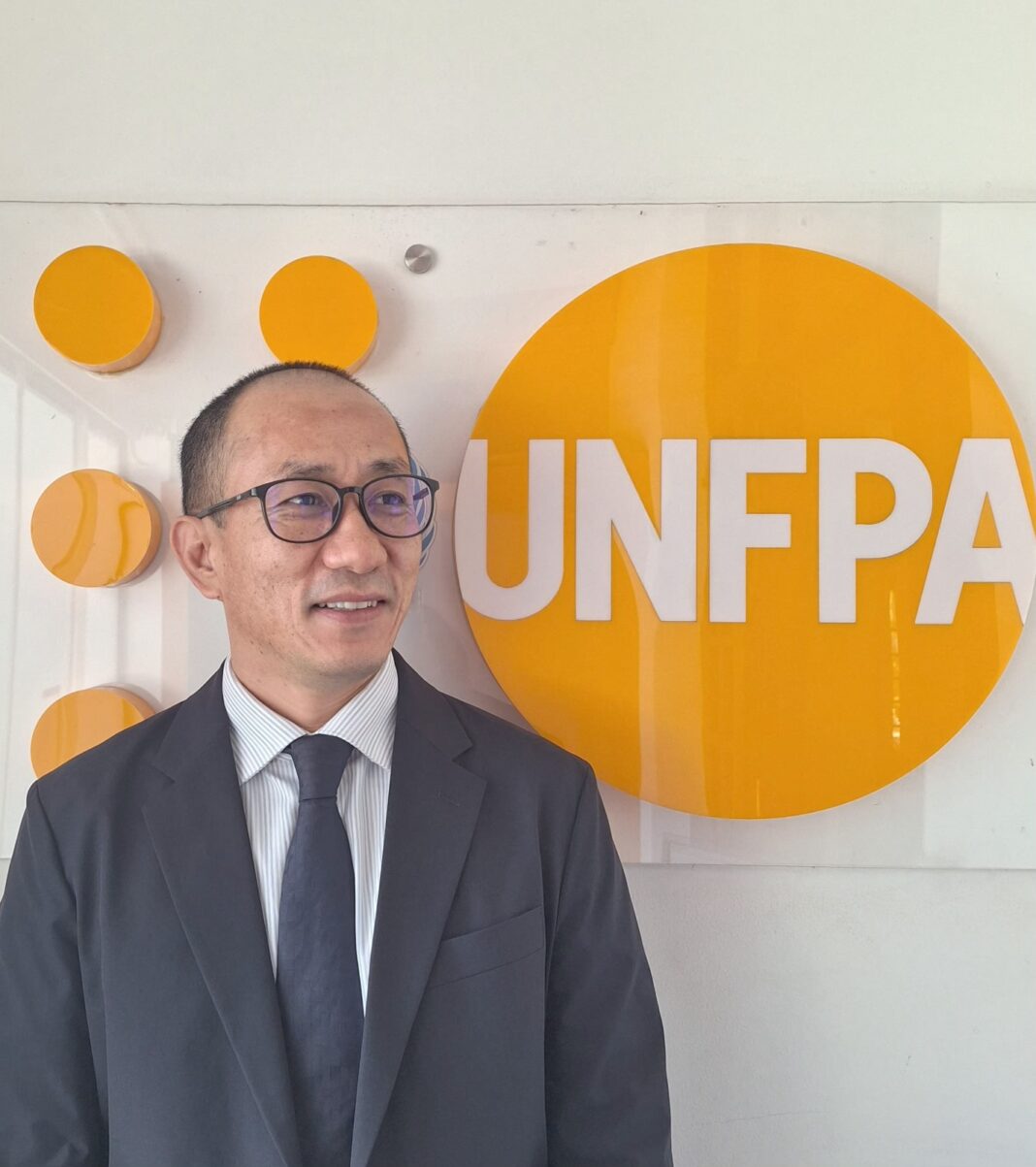
By Phuntsho Wangyel, UNFPA Representative a.i. in Sri Lanka